

Urban Habitat Conservation
Most of the remaining oak habitat exists on private lands, making small landowners especially important to preserve, protect and restore these important landscapes.
Photo credit: Sara Evans-Peters

There are many benefits to protecting the oak trees in your own backyard!
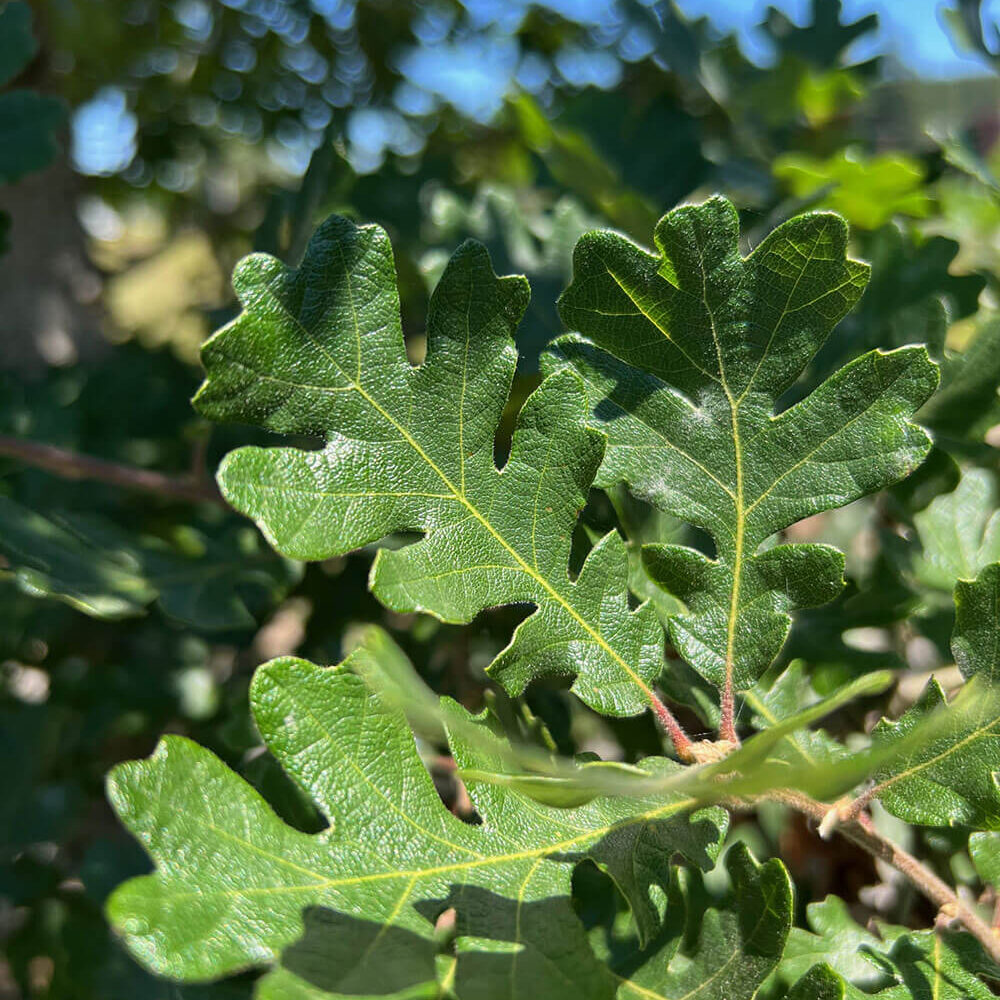
Oaks act as a keystone species, providing biologically rich habitat for hundreds of other wildlife species. Even a single oak tree can be a critical wildlife habitat island in urban and suburban areas where habitat is scarce. Oak trees also offer valuable shade and create beautiful viewsheds, making them community-friendly species that help to raise property values.
Want to help? Here are some tips for how you can become an active oak steward:

Oak Naturescaping Guide
To support enhanced stewardship on private and residential lands, the Oak Prairie Work Group developed a naturescaping guide for conserving oak-prairie habitat. This guide provides resources for property managers interested in protecting, establishing, or improving oak habitats on their land.
In prior years, the Oak Prairie Work Group has also conducted outreach to residents of oak-rich urban neighborhoods of north Clackamas County and piloted naturescaping workshops with them.
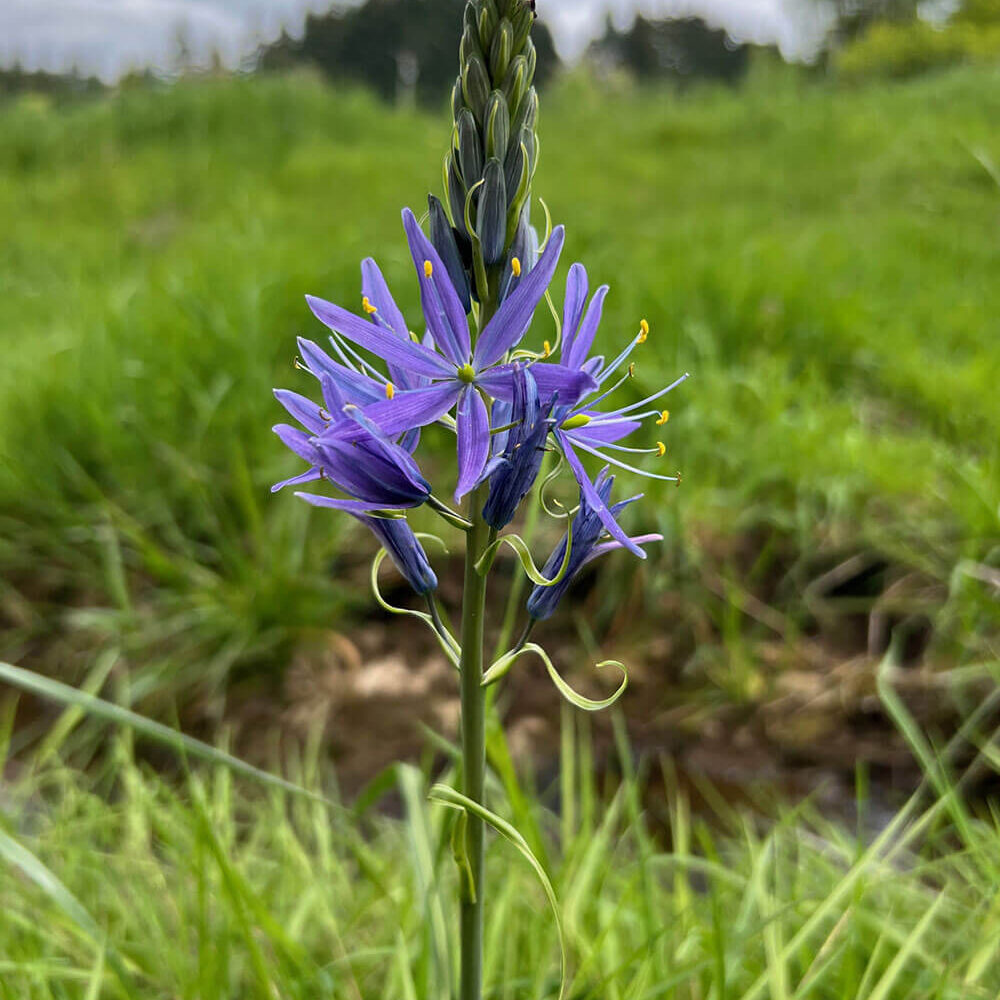
Backyard Habitat Program
Columbia Land Trust and Bird Alliance of Oregon offer this unique program to support the creation and expansion of urban natural habitats. These habitats contribute to the broader conservation efforts of our parent organizations by strengthening and expanding wildlife corridors, creating connectivity between public and private lands.