Our Region
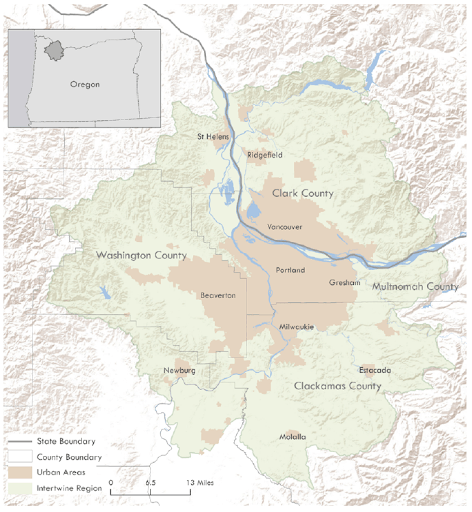
The Portland-Vancouver Oak Prairie Work Group spans the bi-state Intertwine region.
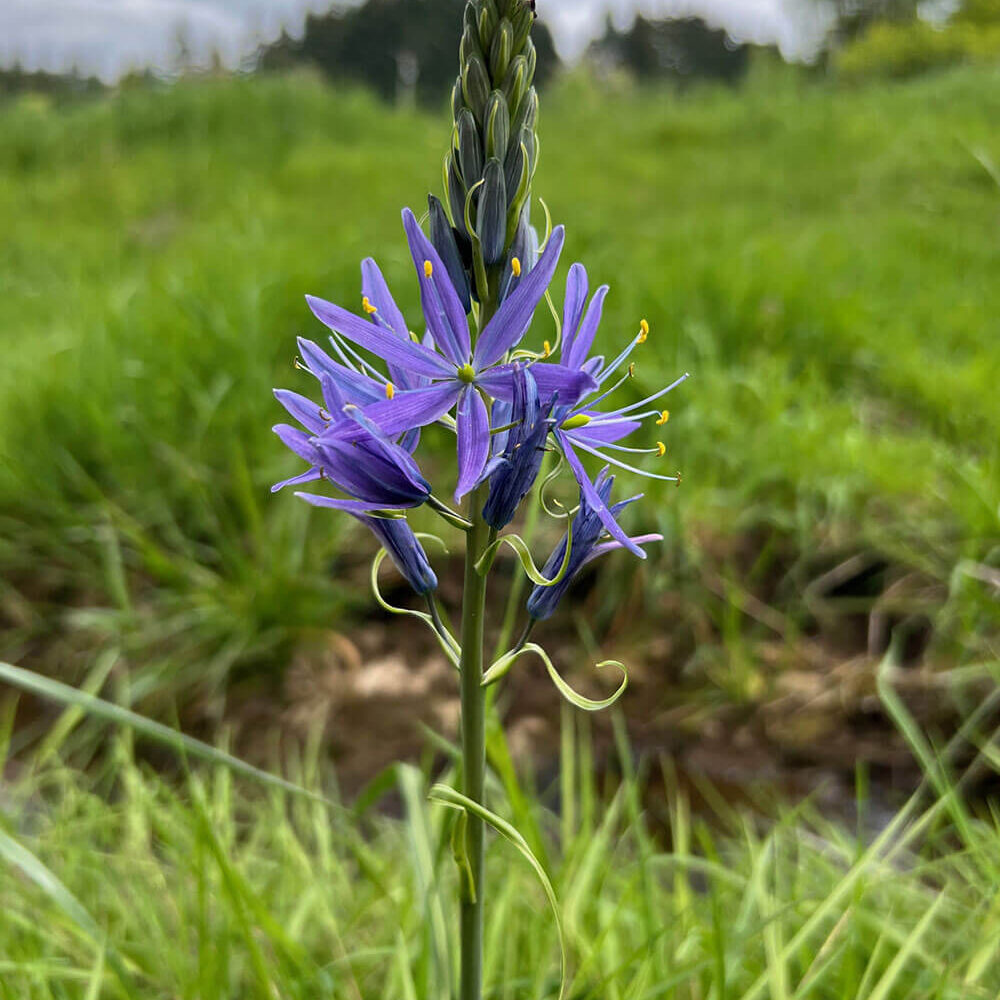
Photo by: Bruce Taylor
The bi-state Intertwine region includes the Portland-Vancouver metropolitan area and its surrounding watersheds in Northwest Oregon and Southwest Washington.
A combination of local geology along with the Willamette and Columbia Rivers has shaped a diversity of landscapes that include oak woodlands, savannas, and prairies. These ecosystems provide critical habitat for native plants and wildlife.
Oregon white oak habitats are central to the natural and cultural heritage of our region. However, only about 5% of these habitats remain, and much of the remaining oak habitat needs help to restore its ecological functions. Oaks are also naturally drought- and heat-tolerant, making them a climate-resilient species.
Threats to the Region’s Oak Habitats
Oak ecosystems in the Portland-Vancouver region face a multitude of threats that have led to habitat loss, degradation, and fragmentation. These threats include:
In urban areas, certain threats are stronger such as dense new development and associated transportation infrastructure often cause oak loss. In rural areas, logging and rural residential development play important roles.
Local Solutions
A variety of solutions are available to address threats to oak and prairie landscapes.
Acquisition of fee-simple title or conservation easements is a valuable tool for protecting existing intact oak habitat. Oak Prairie Work Group partners also support habitat restoration and enhancement projects across public, private, and Tribal lands. This work can include planting oak trees, removing invasive vegetation and encroaching conifers, applying prescribed or cultural fire, and restoring native understory.
The Oak Prairie Work Group also uses its oak maps and expertise to enhance regional habitat connectivity and inform local planning efforts, such as the 2012 Regional Conservation Strategy and the 2026 strategy update.